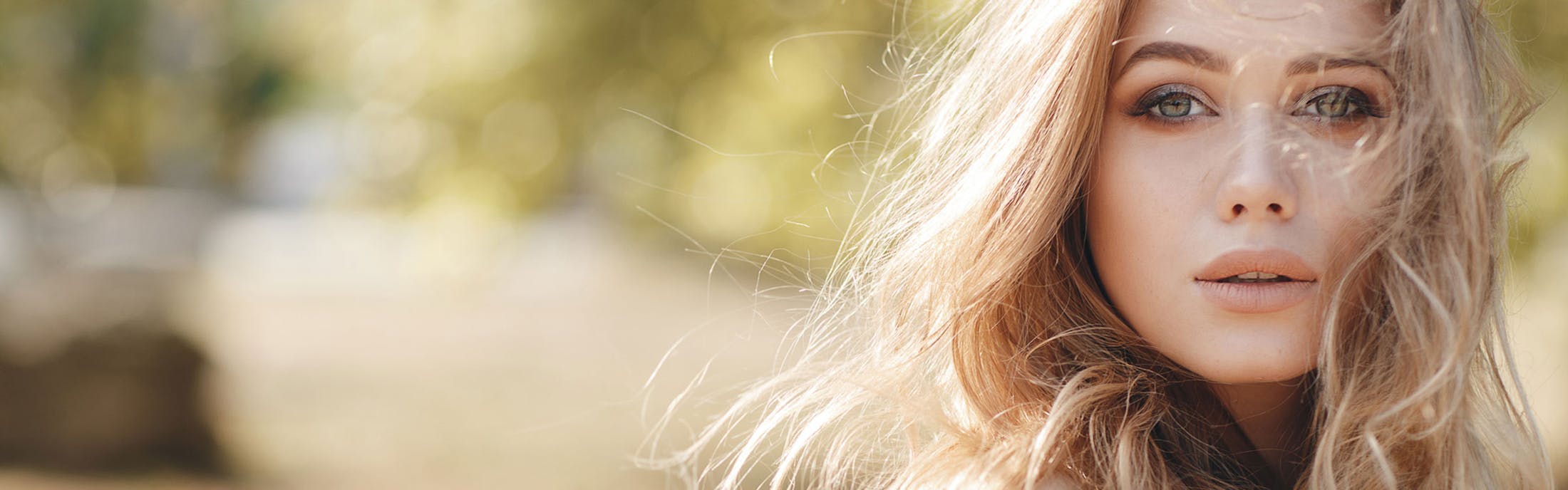
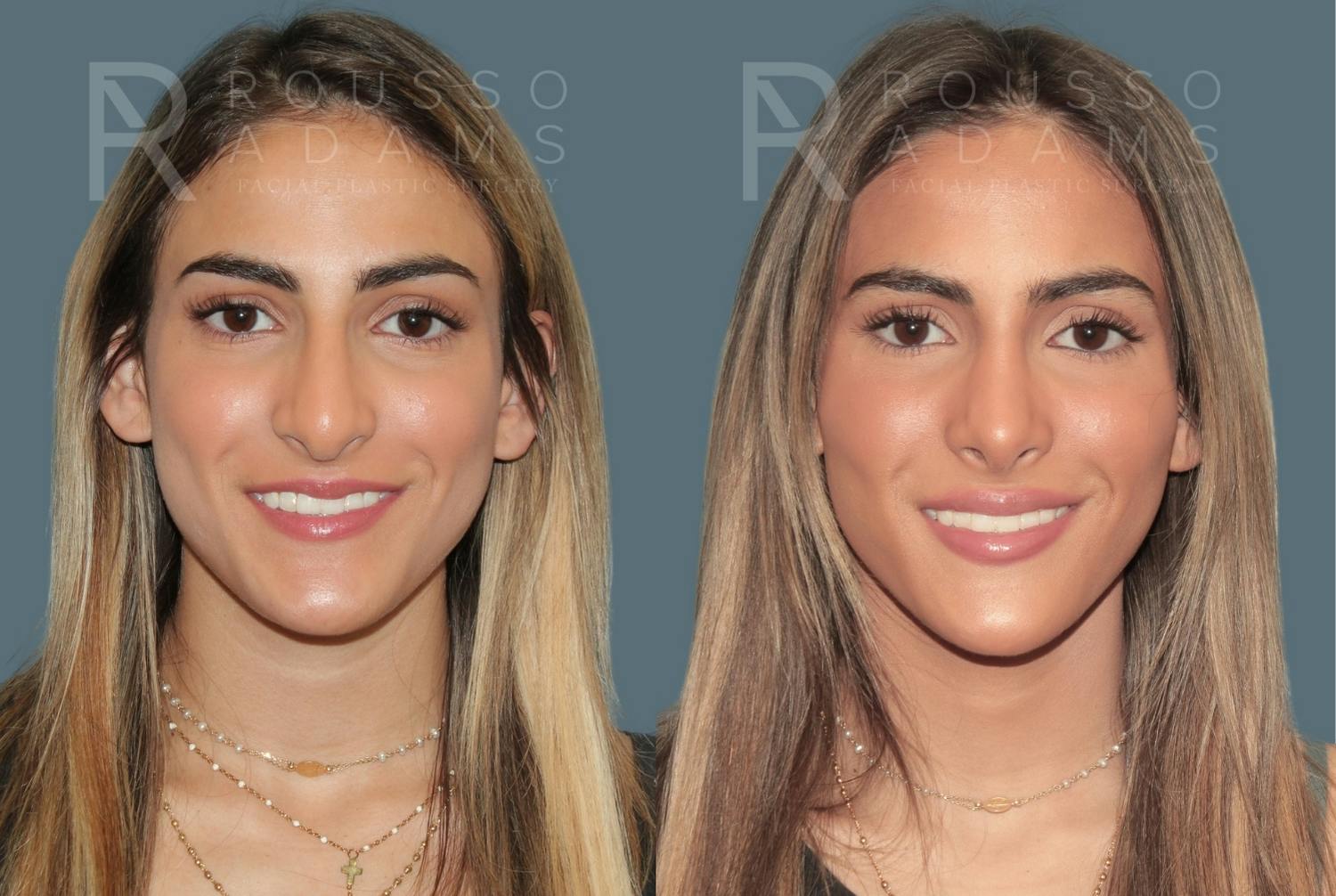
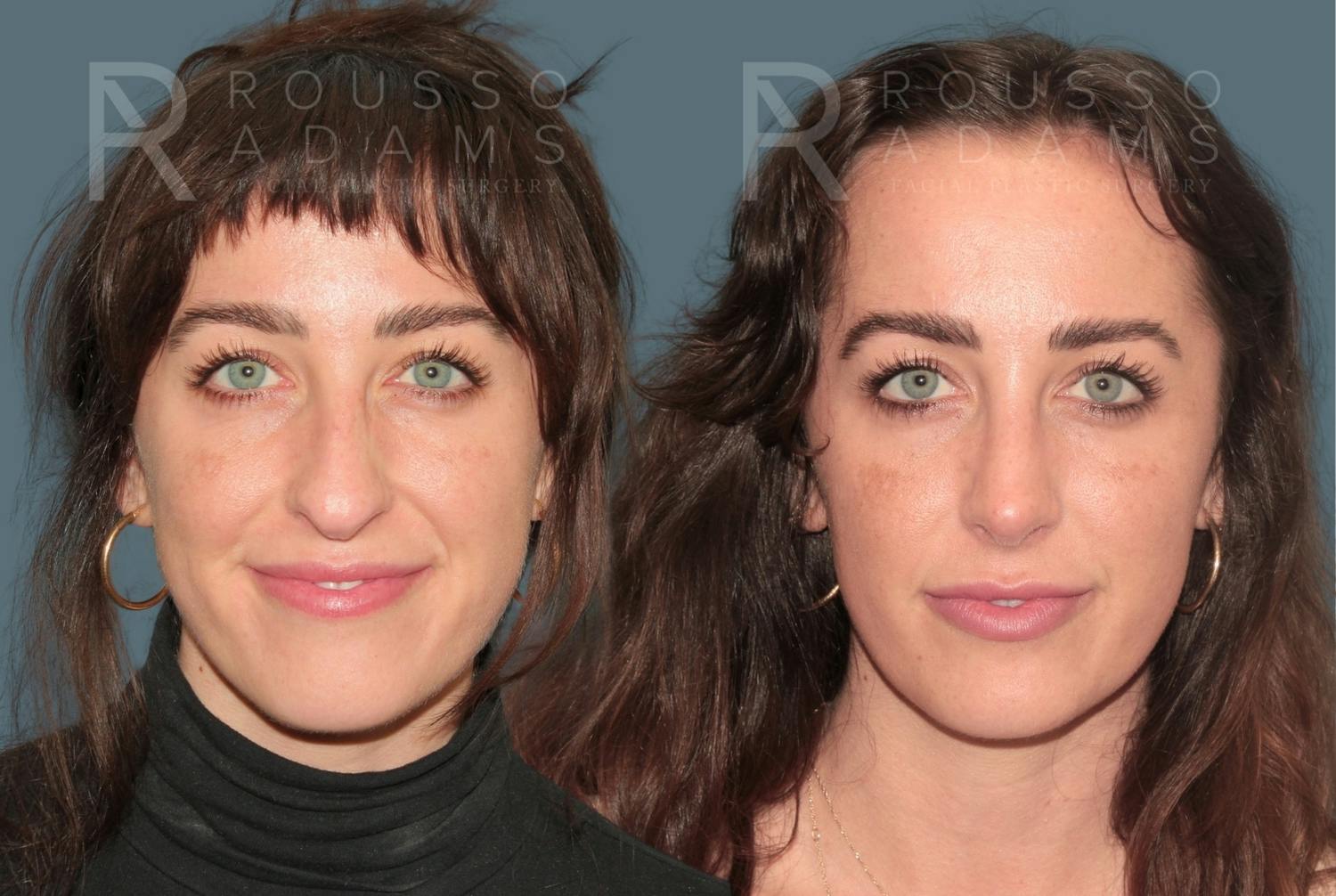
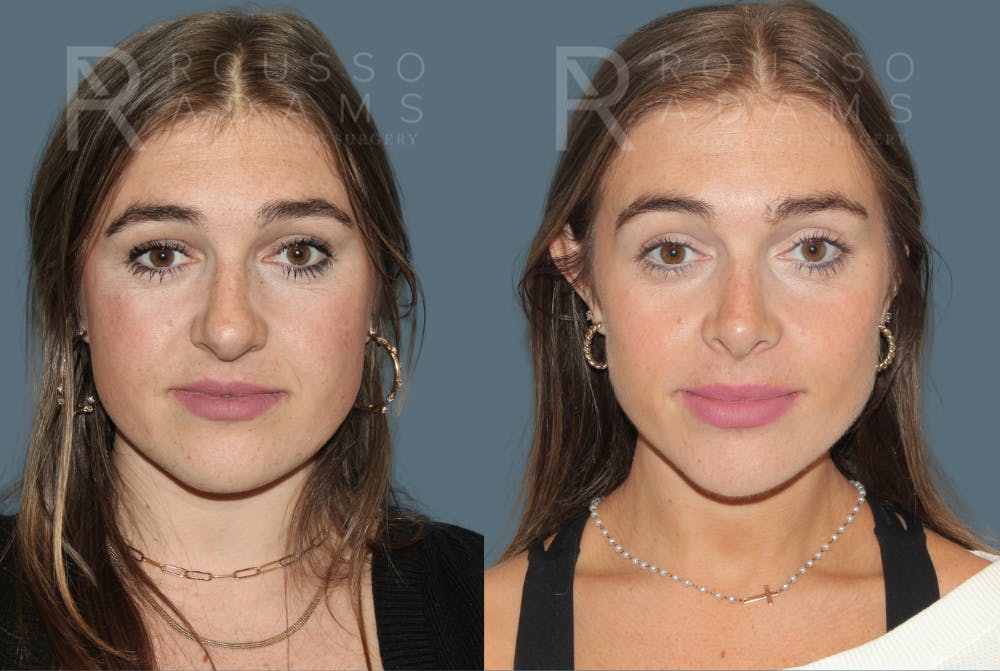
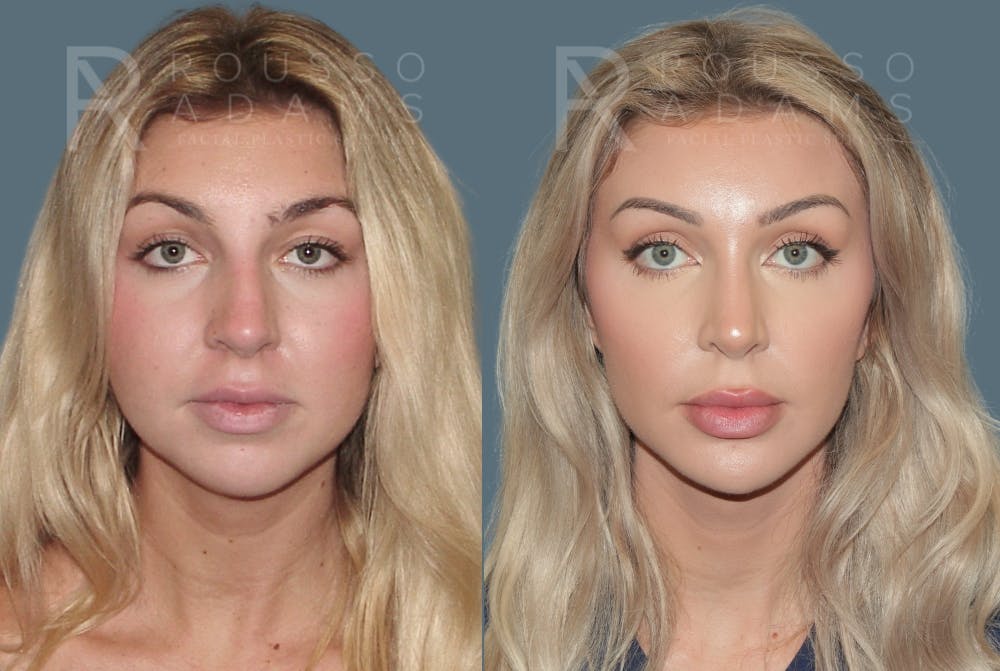
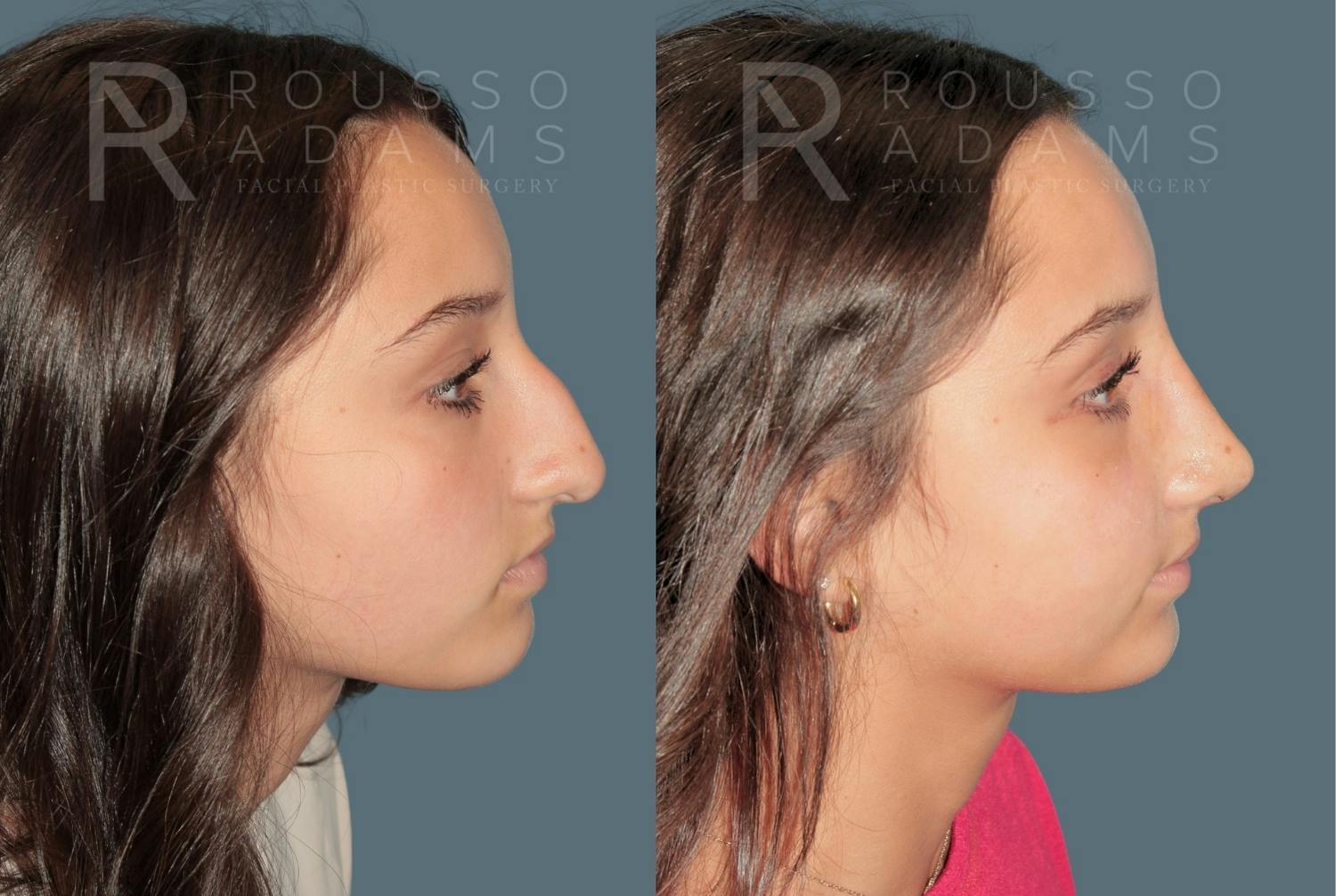
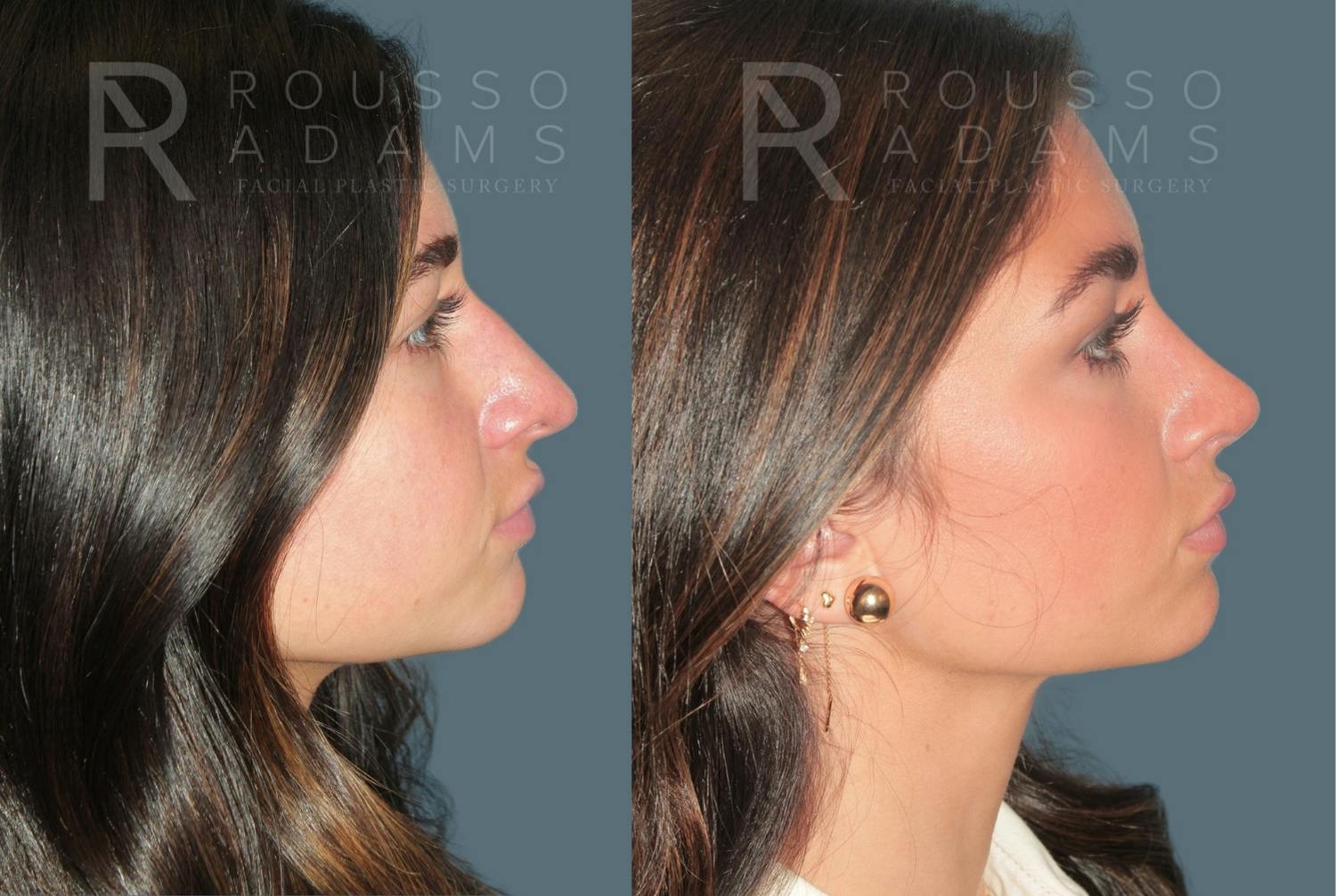
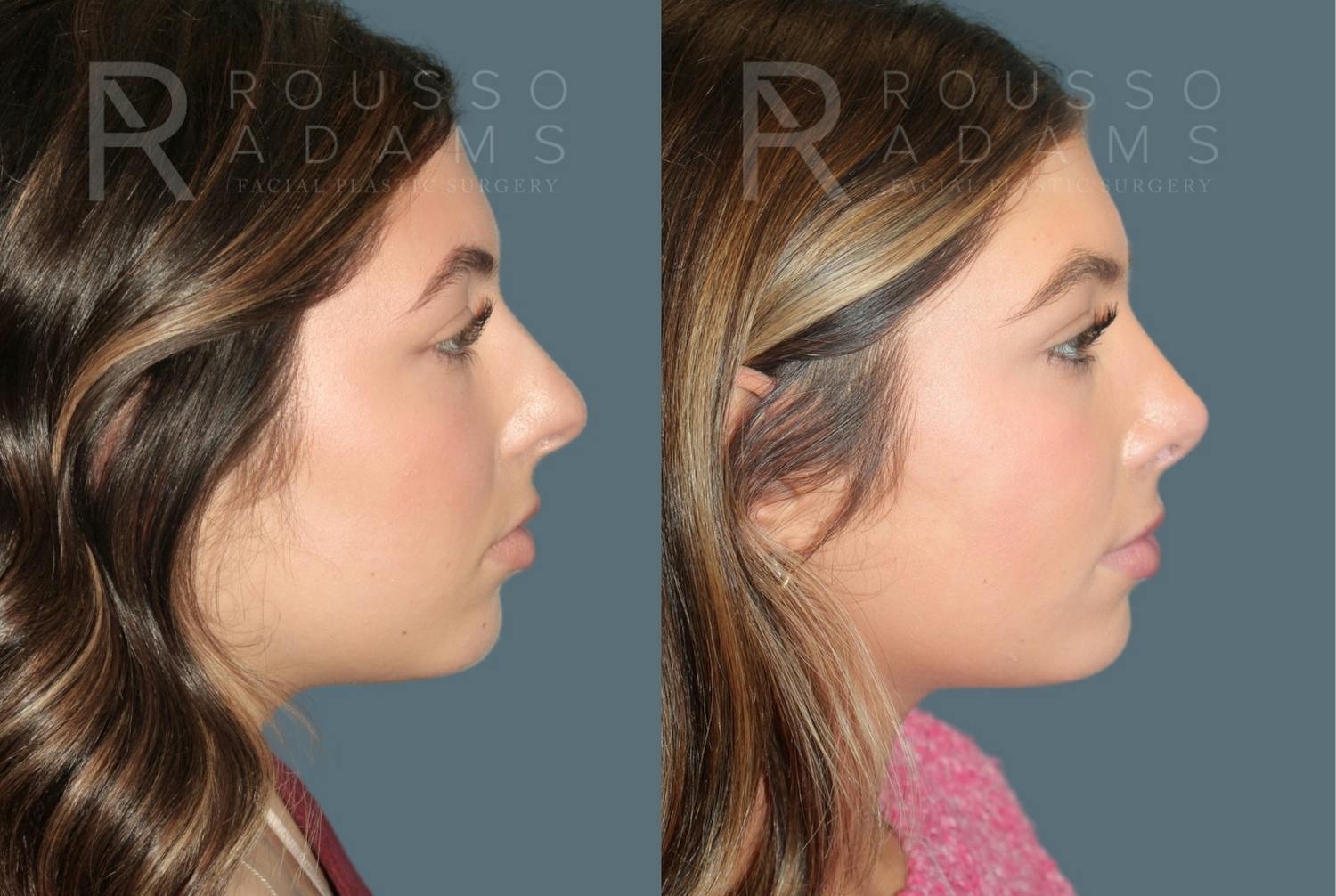
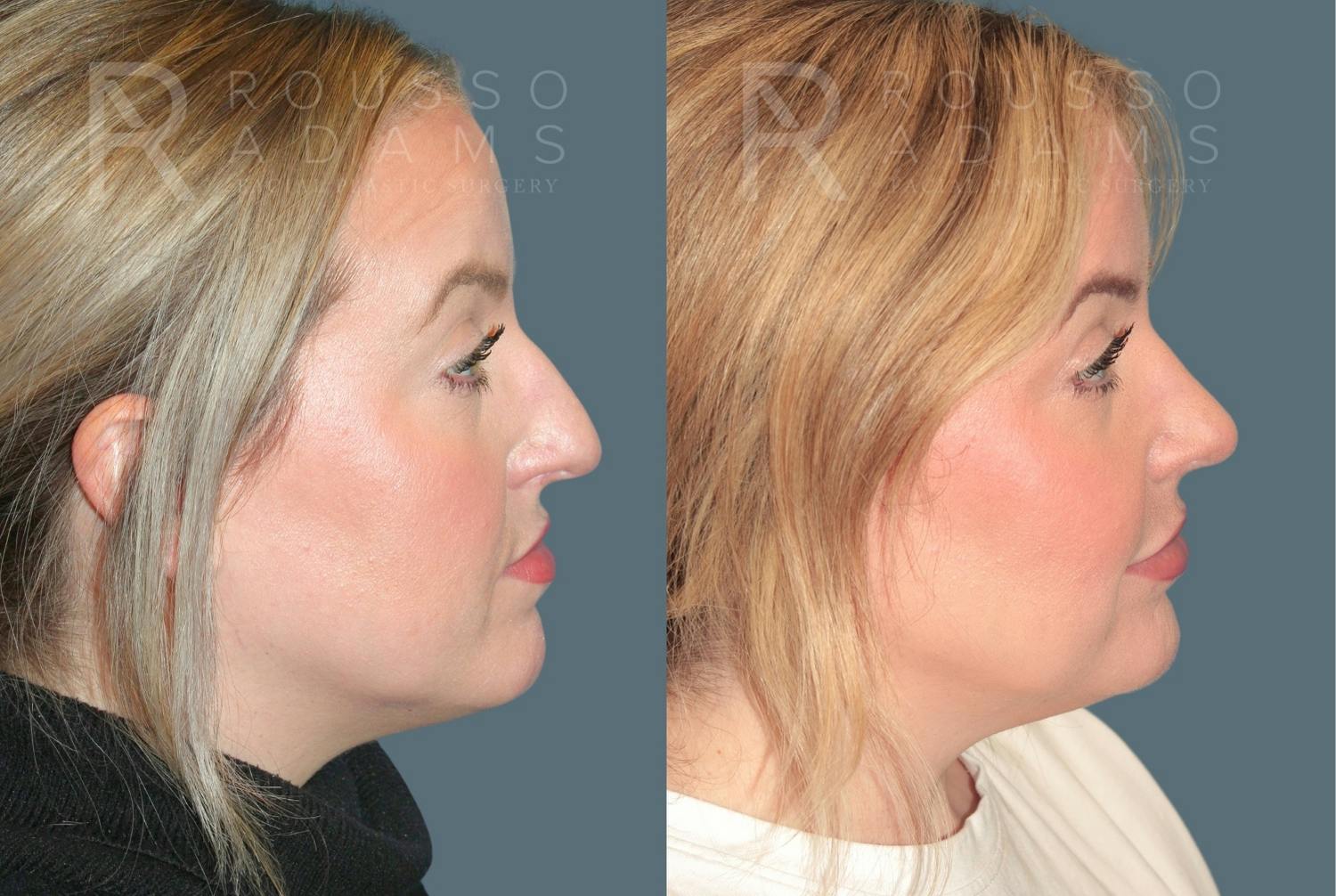
A rhinoplasty in Birmingham, also known as a nose job, can reshape the nose to improve facial balance, breathing function, or correct the results of a previous procedure. At Rousso Adams, every surgery is tailored to your anatomy and goals for refined, natural-looking results.
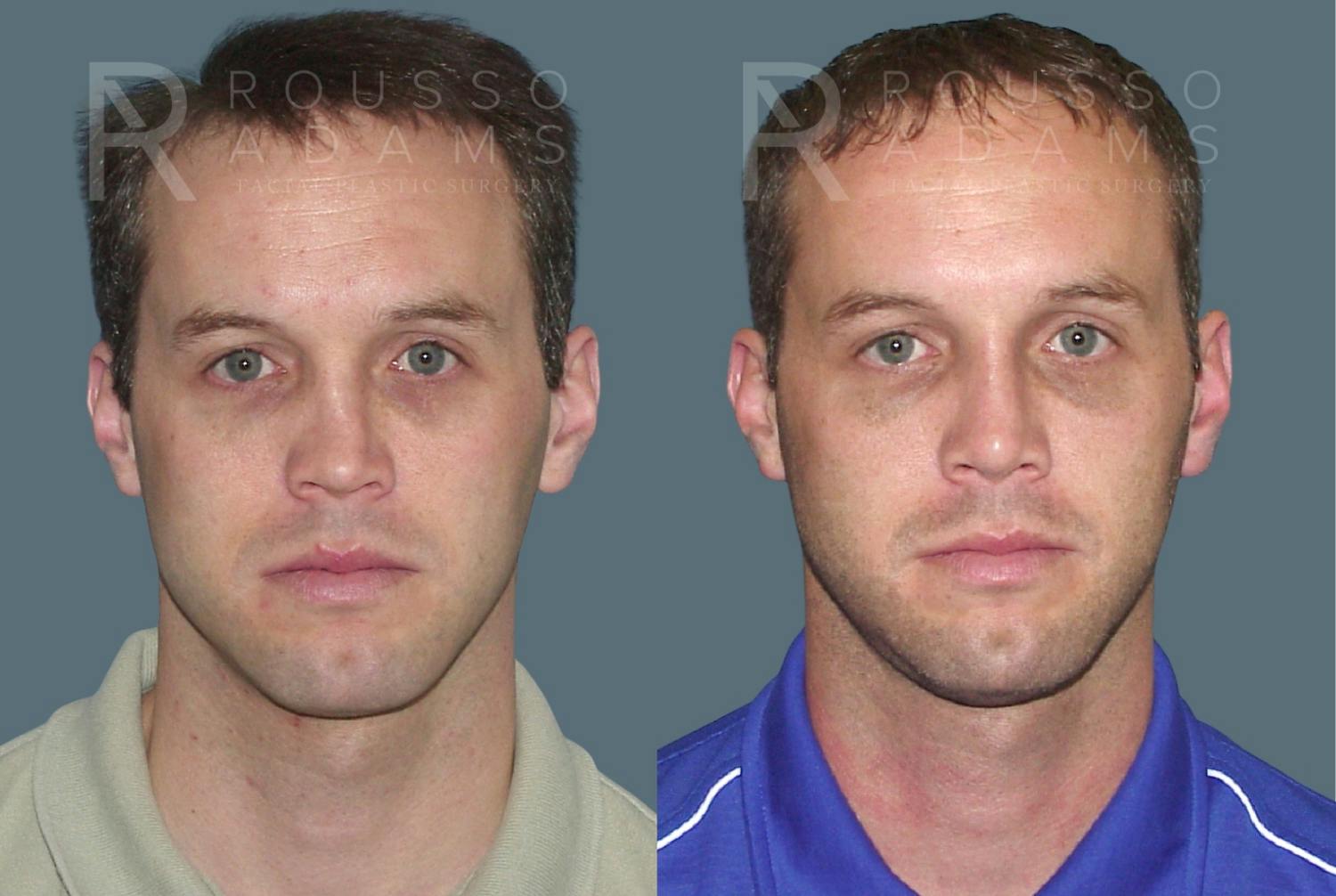
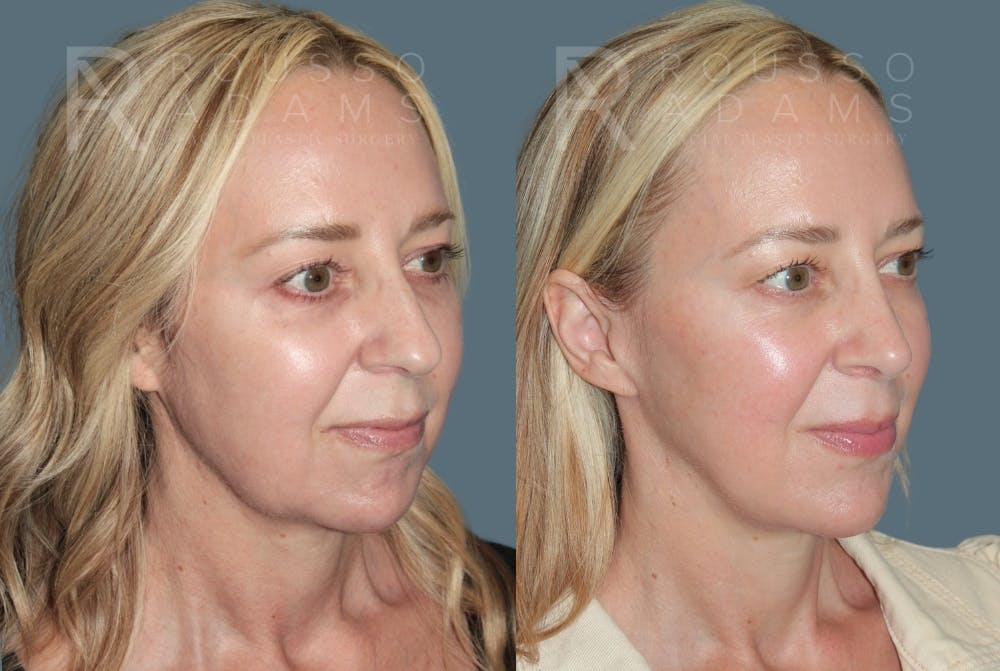
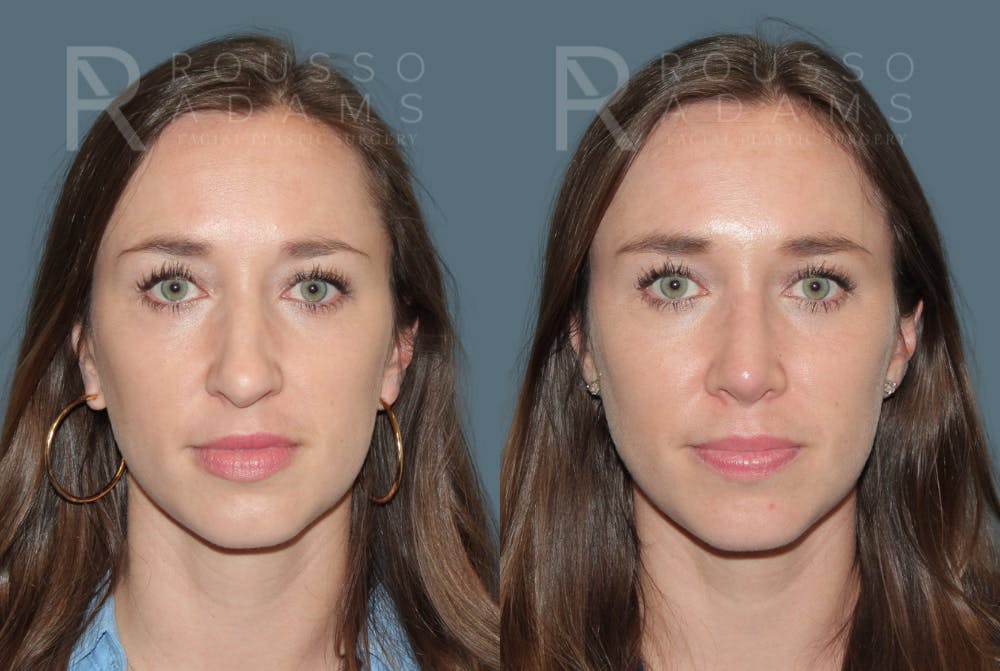
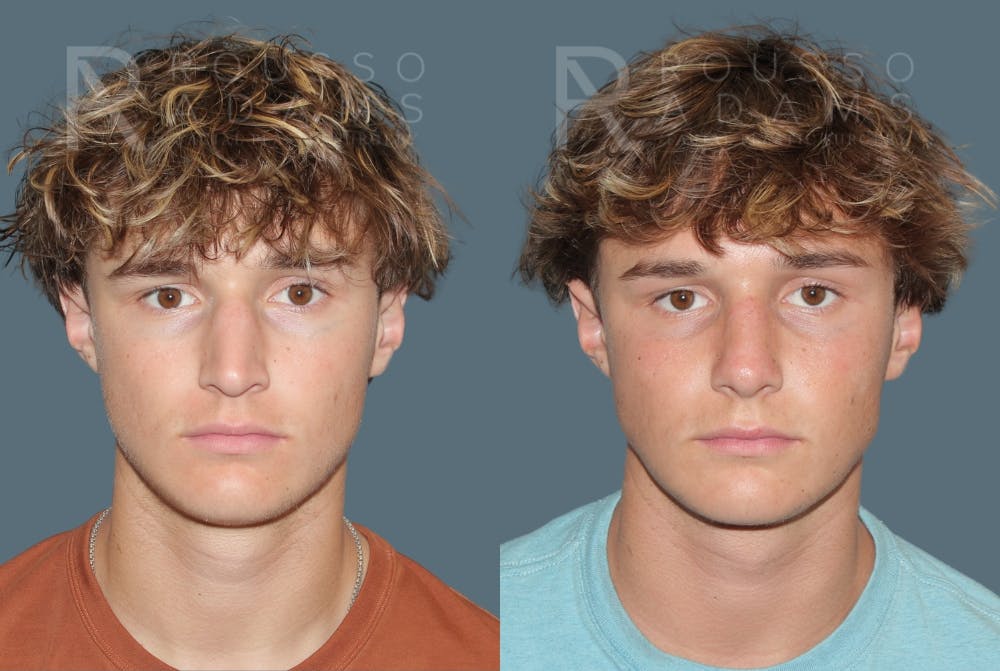





What kind of anesthesia will be used?
Rhinoplasty can be performed under general anesthesia or IV sedation. With general anesthesia, you will sleep through the procedure. With IV sedation, you will be heavily sedated but breathing on your own. Your nose and the area around it will be numbed, and you will feel drowsy during the surgery.
How long is the procedure?
Rhinoplasty usually takes one or two hours, though extensive surgeries may take longer.
Can I receive other procedures at the same time as nose surgery?
Nose surgery is often performed with other facial cosmetic procedures, such as eyelid surgery, chin augmentation and facelift surgery. Your cosmetic surgeon can help you determine if you’ll benefit from undergoing additional procedures with your nose surgery.
Will I have a scar after rhinoplasty?
Closed rhinoplasty has no visible scarring. Open rhinoplasty may leave a scar at the base of the nose where the incision was placed. However, this scar is usually minor and inconspicuous. Scars typically fade over time.
Can children or teenagers get rhinoplasty?
Individuals should be at least 14 to 15 years old to qualify for rhinoplasty. Younger children may not be physically or emotionally mature enough for the procedure.
How long do rhinoplasty results last?
The results from rhinoplasty will last a lifetime. You will be able to enjoy your new nose for many years to come.