
Upper blepharoplasty removes excess, hooded skin from the upper eyelids, while lower blepharoplasty repositions or removes the fat that creates under-eye bags. Both procedures refresh tired-looking eyes, and with a recovery of about one to two weeks, late winter is an ideal time for eyelid surgery before spring events.
Why Late Winter Is Prime Time for Eyelid Surgery in Birmingham
Eyelid surgery has one of the quickest recoveries of any facial procedure. That makes February an ideal month for patients who want to look rested and refreshed by the time spring arrives.
A February blepharoplasty gives most patients time for bruising and swelling to fade before Easter, spring weddings, graduations, and outdoor events. At Rousso Adams Facial Plastic Surgery, late winter is one of the busiest seasons for eyelid surgery consultations.
How the Eyes Show Age First
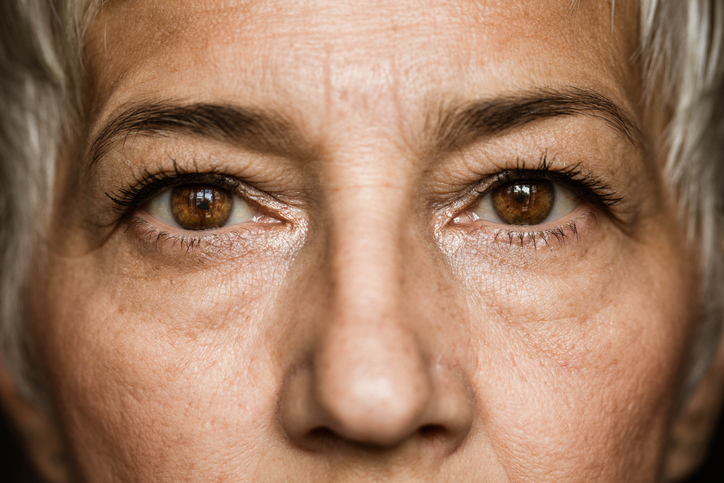
The eyes are often the first area of the face to show signs of aging. Because the skin around the eyes is the thinnest on the body, even small changes can make you look tired, stressed, or older than you feel.
Common signs of aging around the eyes include:
- Loose, hooded skin that folds over the upper eyelid crease
- Puffy bags beneath the lower eyelids
- A visible hollow or dark groove between the lower lid and cheek
- Fine lines and crepey skin texture
Upper and lower blepharoplasty address different concerns. The right choice depends on where your changes appear and what is causing them.
What Is Upper Blepharoplasty?
Upper blepharoplasty is designed to correct heavy, hooded upper eyelids. Over time, the upper lid skin stretches and can fold over the natural crease, making the eyes look smaller and tired.
How Upper Eyelid Surgery Works
During upper blepharoplasty, the surgeon makes a precise incision within the natural crease of the upper eyelid. Excess skin is removed, and a small amount of fat or muscle may be adjusted if needed. The incision is closed with fine sutures, and the scar is hidden within the eyelid fold once healed.
Benefits of Upper Blepharoplasty
Upper eyelid surgery can:
- Remove sagging skin that creates a hooded appearance
- Restore a defined, natural eyelid crease
- Make eyeshadow and makeup easier to apply
- Improve peripheral vision when heavy skin blocks the upper visual field
Is It Heavy Eyelids or a Low Brow?
Not every heavy upper lid is caused by eyelid skin alone. Sometimes a descending brow pushes skin down onto the lid. In these cases, a brow lift may be needed alone or alongside blepharoplasty. A careful evaluation helps ensure the right problem is treated.
What Is Lower Blepharoplasty?
Lower blepharoplasty addresses under-eye bags, puffiness, and the hollow groove that can form between the lower lid and cheek. Unlike upper eyelid surgery, lower eyelid surgery is usually more about fat than skin.
What Causes Under-Eye Bags?
Fat pads naturally cushion the eye. With age, the thin membrane holding this fat in place weakens, allowing fat to bulge forward. At the same time, the cheek can lose volume and descend, making the bags look more pronounced.
How Lower Eyelid Surgery Works
Lower blepharoplasty is often performed through one of two approaches:
- Transconjunctival approach: An incision is placed inside the lower eyelid, leaving no visible scar. This approach is ideal for patients with bulging fat and good skin tone.
- Subciliary approach: A thin incision is placed just below the lash line, allowing the surgeon to also remove or tighten excess lower lid skin.
Rather than simply removing fat, the surgeon often repositions it to fill the hollow groove beneath the eye. This creates a smooth, natural transition from lower lid to cheek.
Avoiding the "Over-Operated" Hollow Look
One of the most common concerns patients have about eyelid surgery is looking hollow, surprised, or "done." These results often happen when too much fat or skin is removed.
Overly aggressive eyelid surgery can lead to:
- Sunken, skeletal-looking upper lids
- Deep hollows under the eyes that age the face
- A pulled-down lower lid or rounded eye shape
- An unnatural change in the character of your eyes
At Rousso Adams, eyelid surgery focuses on anatomical precision. Dr. Daniel Rousso and Dr. Austin Adams preserve and reposition volume whenever possible, removing only what is needed to create a rested, natural appearance.
Upper vs. Lower Blepharoplasty: Which Do You Need?
Many patients benefit from one procedure, while others choose both for a balanced result. Here is a simple way to think about it:
- Choose upper blepharoplasty if: Your main concern is heavy, hooded, or drooping upper lids.
- Choose lower blepharoplasty if: Your main concern is puffy bags or hollows beneath the eyes.
- Consider both if: You notice changes above and below the eyes and want a fully refreshed look.
During your consultation, your surgeon will evaluate your eyelids, brows, cheeks, and skin quality to recommend the right plan.
Why Small Changes Around the Eyes Make a Big Difference
The eyes are the focal point of the face. People notice them first in conversation and in photos, which is why subtle improvements around the eyes can change how rested and youthful your entire face appears.
Many patients find that blepharoplasty helps them look less tired without anyone noticing they had surgery. For even more refinement, eyelid surgery can be combined with facial fat transfer, laser resurfacing, or a facelift.
Blepharoplasty Recovery Timeline
Eyelid surgery recovery is relatively quick. Most patients follow a similar timeline:
- Days 1 to 3: Swelling and bruising peak. Cold compresses and rest help reduce discomfort.
- Days 5 to 7: Sutures are typically removed, and swelling begins to improve.
- Weeks 1 to 2: Most bruising fades, and many patients return to work and social activities.
- Weeks 4 to 6: Remaining subtle swelling resolves and results continue to refine.
Scheduling eyelid surgery in February places your recovery well ahead of most spring events.
Who Is a Good Candidate for Blepharoplasty?
You may be a good candidate for eyelid surgery if you are in good overall health, do not smoke, and have realistic expectations. Patients with certain eye conditions, such as severe dry eye, may need additional evaluation before surgery.
Non-Surgical Alternatives for Tired Eyes
If you are not ready for surgery, several non-surgical options can soften early signs of aging around the eyes:
- Fillers to soften mild hollows beneath the eyes
- Wrinkle relaxers to smooth crow's feet
- Plasma skin resurfacing to tighten thin, crepey eyelid skin
These treatments offer temporary improvement but cannot remove excess skin or reposition fat the way blepharoplasty can.
What Are the Risks of Blepharoplasty?
Blepharoplasty is a common and generally safe procedure, but it does carry some risks. Possible side effects include dry or irritated eyes, temporary blurred vision, asymmetry, and visible scarring. Rarely, patients may have difficulty fully closing the eyes or changes in lower lid position.
Choosing a surgeon who specializes exclusively in the face helps reduce these risks.
Why Choose Rousso Adams for Blepharoplasty in Birmingham?
Rousso Adams Facial Plastic Surgery has specialized exclusively in the face, neck, and hair for four decades. Dr. Rousso is a triple board-certified facial plastic surgeon and a Castle Connolly Top Doctor since 2004. Dr. Adams is double board-certified in facial plastic surgery and otolaryngology-head and neck surgery.
Patients from across the state trust the practice for cosmetic surgery in Birmingham, and procedures are performed in an AAAHC-certified facility.
Schedule Your Eyelid Surgery Consultation
Planning early is the best way to be healed and refreshed by spring. Contact Rousso Adams Facial Plastic Surgery to schedule your blepharoplasty consultation in Birmingham, or start with a virtual consultation.