

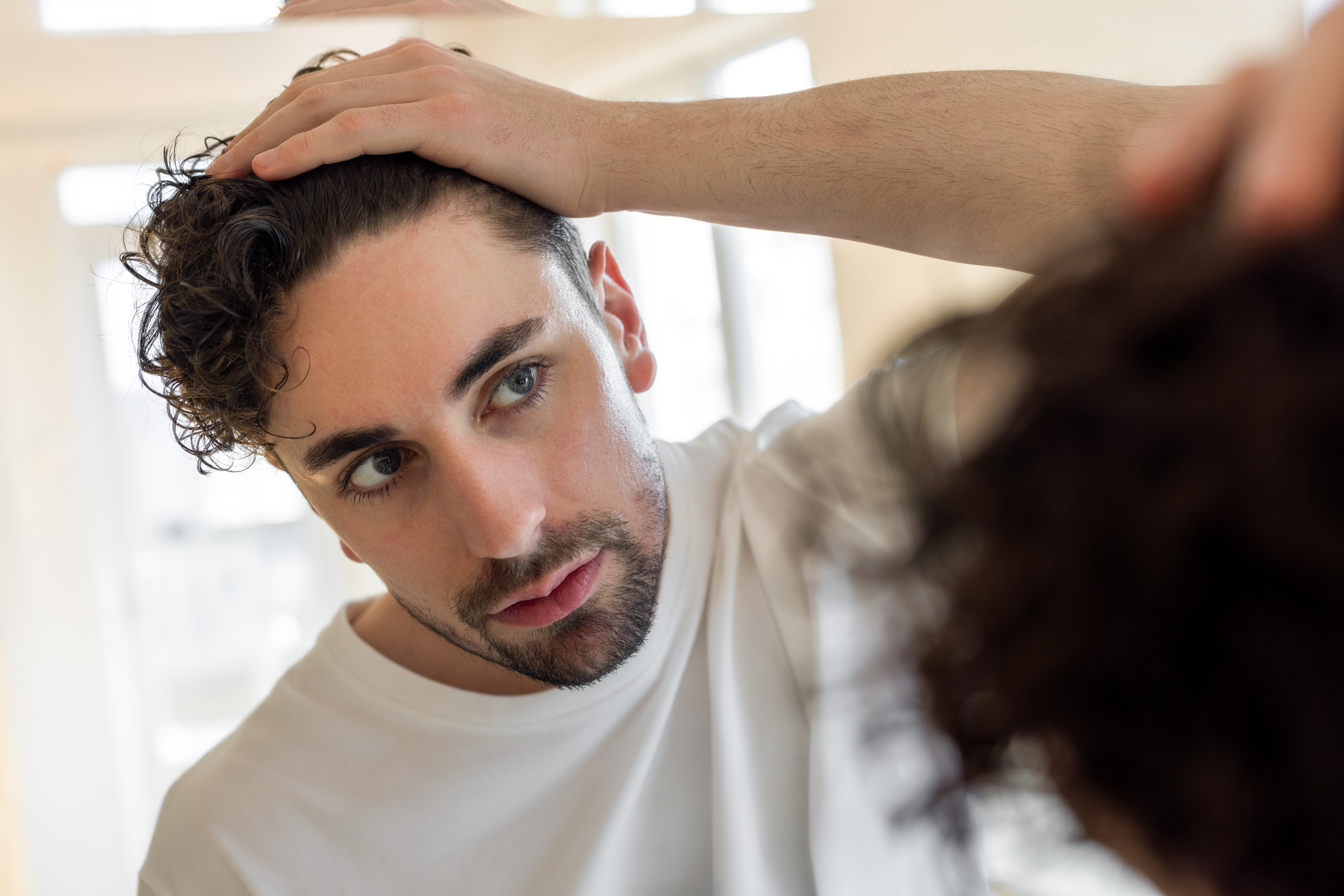
Late fall and winter are the ideal seasons for a hair transplant in Birmingham because the most noticeable healing stages happen during the months when hats, cooler weather, and indoor routines help keep your recovery private. By spring and summer, new growth is well on its way.
Planning Your Hair Transplant Around the Calendar
Hair restoration is not an overnight change. Transplanted hair follows a predictable growth cycle, and the timing of your procedure determines where you will be in that cycle when important events arrive.
That is why late fall is peak season for hair restoration consultations at Rousso Adams Facial Plastic Surgery. Patients who start the process in October or November can have their procedure in late fall or early winter, heal through the holidays, and see visible growth as warmer weather returns.
How the Hair Transplant Growth Timeline Works
A clear picture of what happens month by month makes it easier to choose the right time for your procedure. Here is the general timeline most patients follow after a hair transplant:
- First 7 to 10 days: Tiny scabs form around the grafts and gradually fall away. Grafts become securely rooted in the scalp.
- Weeks 2 to 6: Most transplanted hairs shed. This is a normal, expected part of the process, since the follicles stay in place beneath the skin.
- Months 2 to 4: Follicles rest, then begin producing new hair.
- Months 4 to 6: New growth becomes noticeably visible.
- Months 12 to 18: Hair reaches its final thickness and texture.
The shedding phase and early regrowth are the stages most patients prefer to keep private. Scheduling your procedure in late fall places those stages in the heart of winter.
Why a Late Fall Hair Transplant Pays Off by Summer
A hair transplant in November or December puts the four to six month mark in spring. By Memorial Day weekend, lake trips, and summer weddings, most patients have visible new growth filling in their hairline or crown.
Here is how that timing works in practice. A patient who has a procedure in mid-November can expect:
- Early healing and graft shedding through December
- New growth beginning around February or March
- Visible improvement by April or May
- Fuller, more mature results by the following fall
Waiting until spring to schedule means the awkward early months fall during the season when you are most likely to be outdoors, at the pool, or in photos.
Winter Makes Hair Transplant Recovery More Discreet
Winter in Birmingham offers practical advantages during recovery beyond the growth timeline alone.
Hats and Layers Are Part of Everyday Life
Once your surgeon clears you, a loose-fitting hat can help conceal the treated area. In cooler months, a hat draws no attention at work, around town, or at a football game.
Less Sun and Sweat During Healing
Your scalp needs protection from direct sun and heavy sweating in the weeks after surgery. Central Alabama's hot, humid summers make that harder. Cooler weather naturally reduces sun exposure and makes it easier to follow aftercare instructions.
Holiday Time Off Supports Recovery
Many patients use Thanksgiving or winter holiday breaks to recover without taking extra time away from work. Most NeoGraft patients return to normal activities within a few days, and holiday downtime gives the donor area extra time to settle.
Hair Transplant Techniques at Rousso Adams Facial Plastic Surgery
Dr. Daniel Rousso and Dr. Austin Adams offer both major hair transplant techniques. The right option depends on your hair characteristics, the size of the area to be treated, and your preferences for recovery and hairstyle.
NeoGraft and FUE Hair Transplant
NeoGraft is an automated form of follicular unit extraction (FUE). Individual groupings of one to four hairs are removed from the back and sides of the scalp using gentle pneumatic pressure, then placed in thinning areas.
FUE benefits include:
- No linear scar in the donor area
- No stitches
- A return to work within two to three days for most patients
- A good option for patients who prefer to wear their hair short
FUT (Strip Method) Hair Transplant
Follicular unit transplantation (FUT) removes a thin strip of scalp from the donor area. The strip is then divided into individual grafts under magnification.
FUT can be a strong choice for patients who need a large number of grafts in a single session. The trade-off is a slightly longer recovery, with about one week off work, and a fine linear scar that is typically hidden by surrounding hair.
Why Hairline Design Matters in Hair Restoration
The number of grafts matters, but the placement of those grafts determines whether your results look natural. A hairline that is too low, too straight, or too dense can look artificial and age poorly as your face changes.
As facial plastic surgeons, Dr. Rousso and Dr. Adams design hairlines with the full face in mind. They consider:
- Your facial proportions and forehead height
- The natural angle and direction of hair growth
- Soft, irregular hairline edges that mimic natural hair
- How your hair loss may progress in future years
This whole-face perspective is one reason patients seek out a facial plastic surgeon for hair restoration rather than a clinic that performs only hair procedures. Browse the hair transplant gallery to see examples of their work.
Why Choose Dr. Rousso for Your Hair Transplant in Birmingham?
Dr. Daniel Rousso is a triple board-certified facial plastic surgeon and a founding member of both the American Board of Hair Restoration Surgery and the International Society of Hair Restoration Surgery. He has more than three decades of experience in facial plastic surgery and has been named a Castle Connolly Top Doctor since 2004.
For four decades, Rousso Adams has been a trusted name in cosmetic surgery in Birmingham, focusing exclusively on the face, neck, and hair. The Alabama Hair Institute is located within the practice at the Mountain Brook Center. Together, Dr. Rousso and Dr. Adams have performed thousands of hair transplant procedures for patients from Birmingham, Montgomery, and across the Southeast.
Who Is a Good Candidate for a Hair Transplant?
You may be a good candidate for a hair transplant in Birmingham if you:
- Have healthy, stable hair on the back and sides of your head to use as donor hair
- Have a receding hairline, thinning crown, or balding areas
- Understand that full results take 12 to 18 months
- Are in good overall health
Alternatives and Complementary Hair Loss Treatments
A hair transplant is not the only option, and it often works best as part of a broader plan. Depending on your needs, Dr. Rousso may recommend:
- Hair restoration medications to slow ongoing hair loss
- PRP hair restoration to support existing follicles
- Scalp micropigmentation to create the look of added density
- Hairline lowering for patients with a naturally high forehead
What Are the Risks of a Hair Transplant?
Hair transplants are generally safe when performed by a qualified surgeon, but every procedure carries some risk. Possible side effects include temporary swelling, scabbing, numbness, and itching. Some patients experience temporary shedding of nearby existing hair, often called shock loss, which typically grows back.
Choosing a board-certified hair restoration surgeon with a long track record helps reduce risks and supports natural, lasting results.
Schedule Your Hair Restoration Consultation This Fall
Late fall appointments fill quickly as patients plan procedures around the holidays. Scheduling your consultation now gives you the best chance of securing a winter procedure date and enjoying visible results by summer.
Contact Rousso Adams Facial Plastic Surgery to schedule your hair transplant consultation in Birmingham. Patients traveling from Montgomery or out of state can learn more about our out-of-town patient services or begin with a virtual consultation.